

 English
 Polski
 Deutsch
 Slovenčina
 Čeština

Results you can measure

Descriptions of training courses
Exact x Forestall xAcademy is not only an investment in the present, but more importantly in the future. In a rapidly changing industrial environment, the need to maintain the highest quality standards is critical to success.

This training covers the practical application of 8D methodology and Root Cause Analysis to solve quality problems. Participants work through the entire 8D process: from accurately defining the problem and analysing root causes to selecting and implementing corrective and preventive actions. A key part of the module is the systematic identification of the actual causes of failures and nonconformities, supported by industry case studies that help participants apply the methodology to real operational situations.

This module focuses on the practical use of Lean Manufacturing tools in everyday work. It covers 5S, Kaizen, Kanban, Just in Time (JIT) and Value Stream Mapping, including digitally supported applications. Participants analyse real industrial processes to better understand how to select and implement Lean tools and how these tools affect process flow and performance.

This training develops team management skills, with a particular focus on accountability, motivation and communication. It covers task delegation, setting clear expectations, strengthening ownership of work and methods for building engagement. During practical exercises, participants practise sharing information, providing feedback and responding to conflict situations, with reference to the work of quality control teams.

This module presents the methods and tools used in automotive quality control. It covers the importance of quality at each stage of the process, identifying and eliminating defects before products reach the customer, the principles of quality management and compliance with international standards, and monitoring key quality parameters. Participants learn to use indicators and data to assess processes on an ongoing basis and make quality-related decisions.

This training combines the process approach, risk analysis and statistical quality control tools used in the automotive industry. It covers identifying risks in processes and planning preventive actions, IATF 16949 requirements and OEM customer-specific requirements (CSR), as well as using SPC to monitor processes and MSA to assess the accuracy and repeatability of measurement systems. Using industry examples, participants analyse quality problems, select corrective and preventive actions, and evaluate their effectiveness and efficiency.

This module addresses work organisation and task prioritisation in a dynamic manufacturing environment. Participants learn to assess tasks based on their impact on processes and quality, use selected agile techniques for flexible planning, and reduce wasted time and procrastination. The training also covers the practical application of the Pareto 80/20 principle to focus resources on the activities that matter most.

This training introduces metrology and the interpretation of technical drawings, with a strong emphasis on practical measurement skills. It covers the importance of measurements in quality control, the correct use of instruments such as callipers, micrometers and height gauges, calibration principles, and ensuring reliable results. Participants also learn about the symbols, notations and standards used in technical drawings, then consolidate their knowledge through an extensive workshop section.

This module demonstrates how to use MS Excel for quality data analysis, reporting and process monitoring. Participants practise creating and formatting worksheets, using logical and mathematical functions, filtering and sorting data, and creating charts and reports. The scope also includes pivot tables and basic statistical analysis tools. Exercises are based on examples from quality-related processes, allowing participants to apply their new skills directly at work.
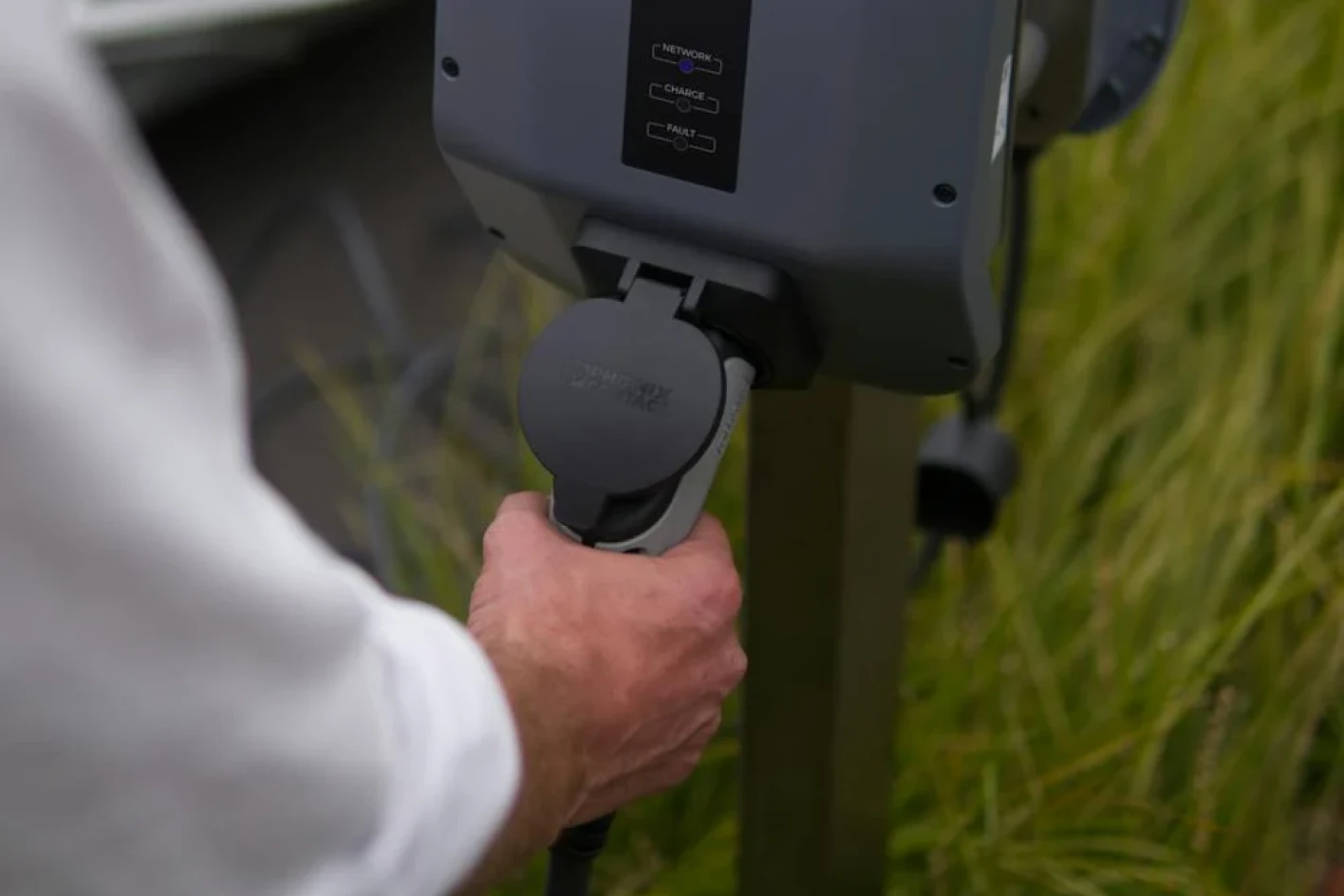
This training explores the use of optical systems, machine vision and deep learning methods in quality control. It covers defect detection using optical systems, data analysis and product classification with AI algorithms, working with high-resolution cameras and real-time analysis software, and integrating these solutions into production lines. The workshop section uses automotive industry case studies to demonstrate the practical application of modern quality control methods.

This module focuses on the changes taking place in manufacturing and quality control as a result of digitalisation, automation, data analysis and artificial intelligence. Participants explore industry development trends and the technical and soft skills that quality professionals and team leaders will need. The training also covers ways to adapt to change, the role of digital tools and data in everyday work, and the preparation of an individual skills map and development plan.
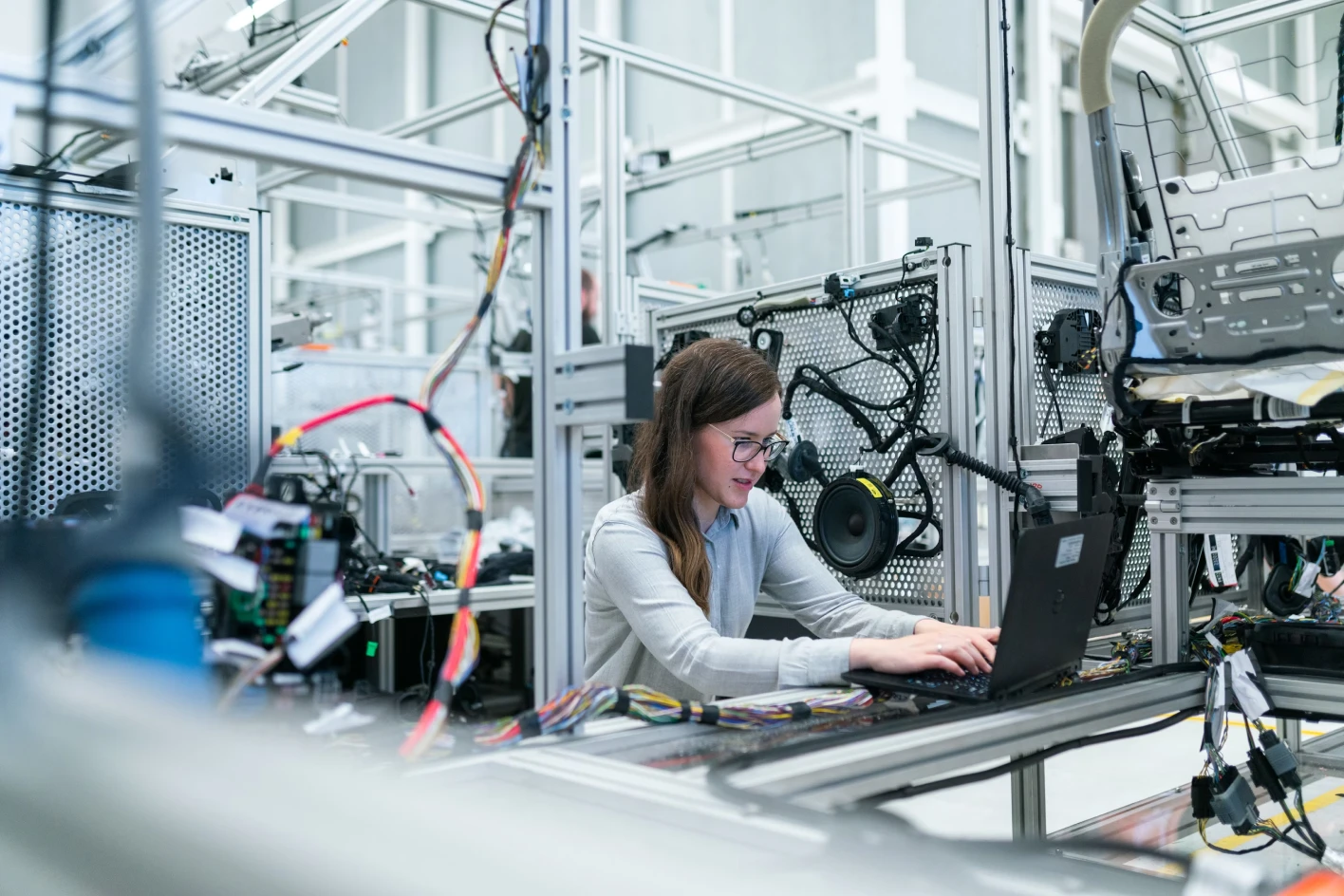
The training course “Modern Methods of Quality Control. Optics and Deep Learning” is a unique opportunity to learn about the latest technologies that are transforming the way we monitor and ensure the highest quality in manufacturing. Deep learning is an advanced machine learning technique that uses artificial neural networks to analyze large amounts of data and learn on their own. This allows computers to perform complex tasks such as image or speech recognition.


